The finishing-oil edition
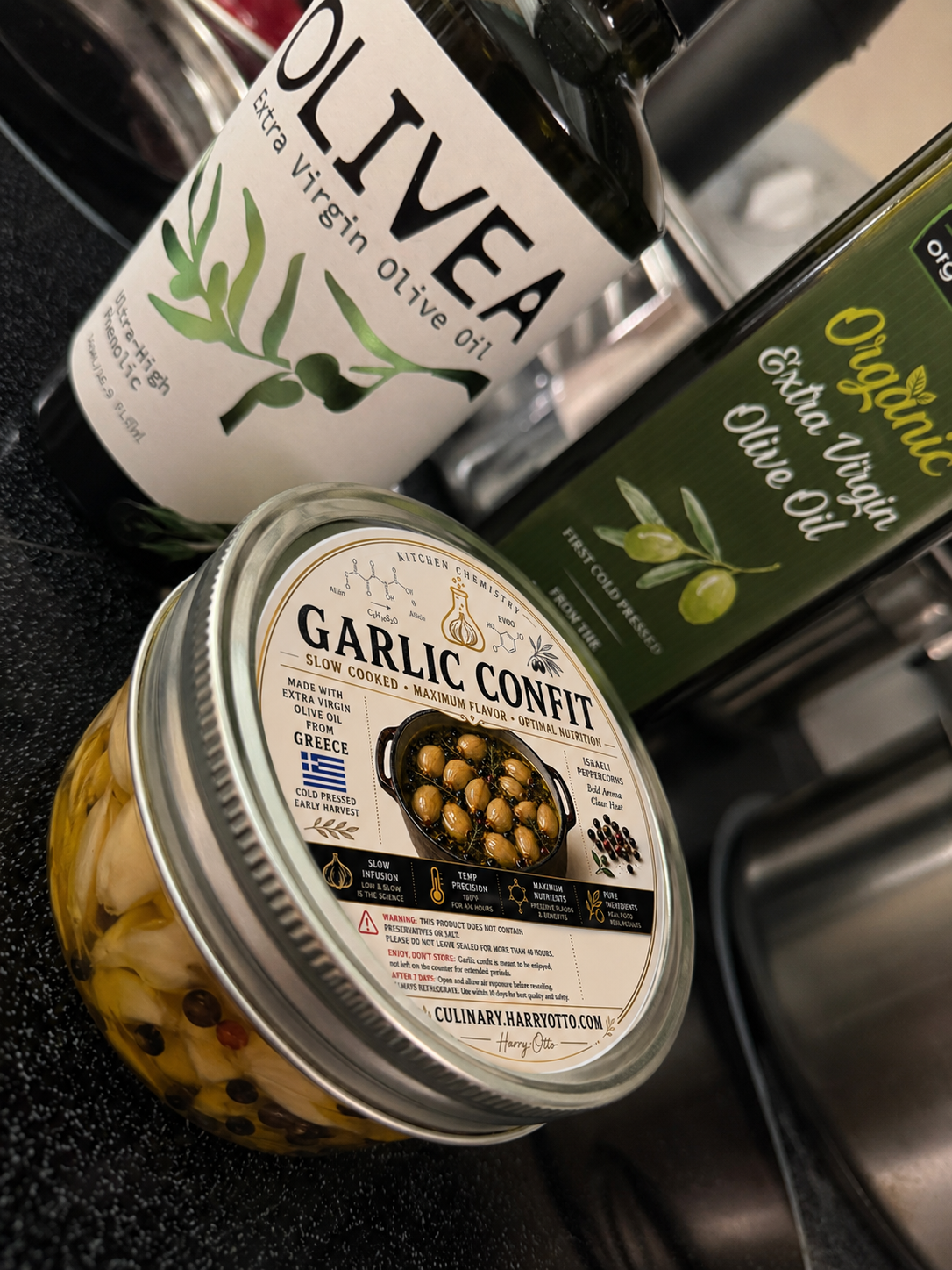
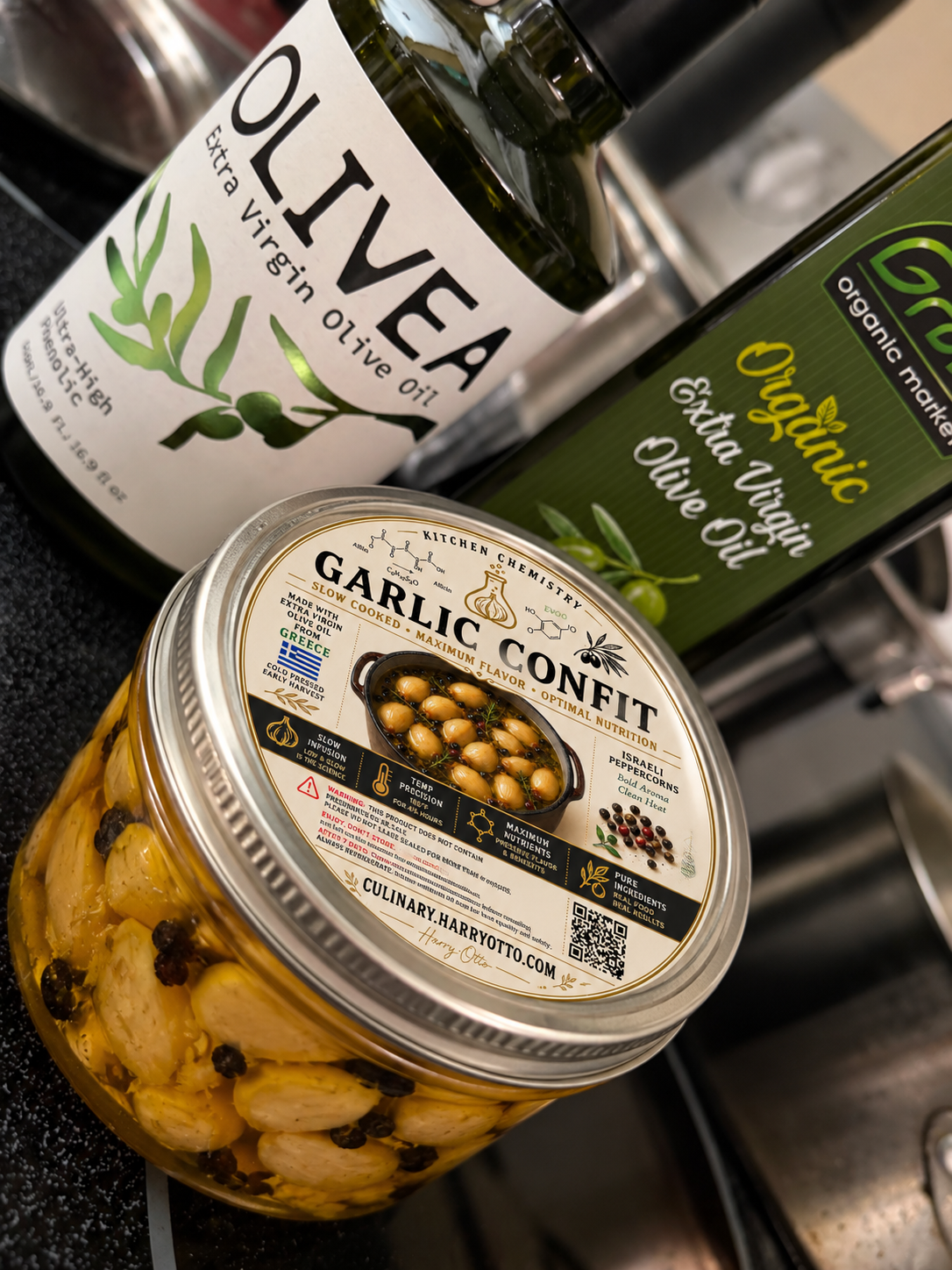
Olivea raises the ceiling.
Olivea’s official materials describe Greek, early-harvest, cold-pressed oils with batch-tested polyphenol levels, including a 500+ mg/kg line and an ultra-high-phenolic 1,000+ mg/kg line. That distinction matters because extra-virgin olive oil is not chemically uniform: cultivar, harvest timing, milling, oxygen exposure, heat and storage all influence its phenolic profile.
The major names in the phenolic conversation include hydroxytyrosol, tyrosol and oleuropein-derived compounds. The European Union authorizes a specific claim that qualifying olive-oil polyphenols help protect blood lipids from oxidative stress when the oil supplies at least 5 mg of hydroxytyrosol and derivatives per 20 g. This is substantially narrower—and more defensible—than calling olive oil a medication.
HydroxytyrosolHighly studied olive phenol and antioxidant marker.
TyrosolA related phenolic alcohol found in olive oil.
Oleuropein derivativesContribute bitterness, pungency and oxidative stability.
Oleic acidThe dominant monounsaturated fatty acid in EVOO.